


Armijo weighed in on the recent $18 million settlement that ended a trial over teen social media use on Meta platforms.
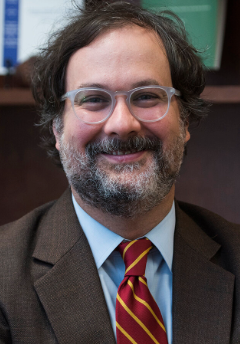
Professor of Law Enrique Armijo recently , an independent nonprofit newsroom that includes Los Angeles’s largest NPR station, about the $18 million Meta settlement.
According to LAist, Meta agreed Wednesday to pay up to $18 billion and add stronger child-safety measures to its Facebook and Instagram platforms as part of a landmark legal settlement that ended a trial over teen social media addiction and settled claims filed by nearly every state.
“The idea of having people at the very highest levels of Facebook and Instagram testifying about what they knew with respect to whether or not these apps were harmful to minors in light of some research that the state attorneys general had unearthed, with the help of some whistleblowers, …. a big company like Facebook often is engaged in these kinds of studies on its own,” Armijo said. “When some of that information came to light, I just think it was going to be very difficult for Mark Zuckerberg in particular … to actually have to stand up there and talk about what he knew and did not know in light of some of this information that had come to light over the course of years of litigating against these companies.â€�
Meta’s settlement includes additional penalties, which are contingent on the outcomes of similar lawsuits against TikTok, YouTube and Snap. As it stands, changes to Facebook and Instagram are expected to include limits on time usage for younger users, and features such as like counts.
“I think it’s safe to assume that Meta will continue to make some legal arguments that it can’t be held liable for user content,” said Armijo. “And there are two basic reasons underlying that argument. One, Section 230 of the Communications Act, which basically says that Meta cannot be held liable for the content of its users … I think that’s really still an open question. No ultimate court, certainly not the Supreme Court, has concluded that Section 230 covers this type of lawsuit. And the other thing is the First Amendment. These platforms have and will, I think, continue to make the argument that the way their users consume their content is editorial in nature.”