


The daylong workshop, co-sponsored by the Isabella Cannon Global Education Center and the Center for the Advancement of Teaching and Learning, was designed for faculty and staff who teach or lead study away programs, though it was open to anyone interested in strengthening global learning.
On Aug. 13, faculty and staff gathered at ÂÒÂ×ÊÓƵ for the 2026 Global Pedagogy Workshop, exploring how educators can help students approach global learning with curiosity, humility and a greater comfort with ambiguity.
The daylong workshop, co-sponsored by the Isabella Cannon Global Education Center and the Center for the Advancement of Teaching and Learning, was designed for faculty and staff who teach or lead study away programs, though it was open to anyone interested in strengthening global learning.
This year’s workshop centered on “Embracing Ambiguity: Multiple Ways of Knowing, Reflection and Preparing Students for Cultural Curiosity.� The theme invited participants to consider how students encounter different knowledge systems, histories, identities and relationships to place through global education.
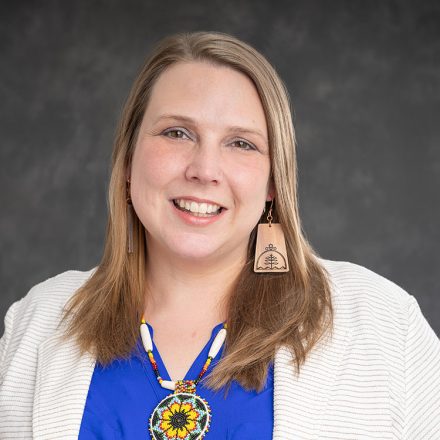
Following welcome remarks from Dean of Global Education Nick Gozik and Provost and Executive Vice President Rebecca Kohn, the workshop began with a keynote by Laura M. Pipe, director of the University Teaching and Learning Commons at UNC Greensboro.
Pipe, an Indigenous educator of ³§°ì²¹°ùù:°ùÄ™ (Tuscarora) and ±á´Ç»å¾±²Ôö³ó²õö:²Ô¾±â€™ (Haudenosaunee) descent, explored how global learning can move beyond a single tradition of knowledge. Drawing on Indigenous and decolonial pedagogies, the Toward a Liberated Learning Spirit model and reflective practice, she encouraged participants to cultivate curiosity, humility and reciprocal learning relationships.
The workshop continued with three breakout sessions:
- In “Exploring History and Identity through ÂÒÂ×ÊÓƵ’s Campus,â€� Amanda Laury Kleintop, assistant professor of history and coordinator of the museum studies and public history minor, used ÂÒÂ×ÊÓƵ’s campus history as a model for place-based learning. Participants considered how monuments, historical sites and museums can help students critically examine history and identity in both local and study away contexts.
- “Story Circles for Intercultural Learning,� led by Maureen Vandermaas-Peeler, director of the Center for Research on Global Engagement, and Sandy Marshall, associate professor of geography, introduced participants to the UNESCO Story Circles model. Through a facilitated experience and debrief, participants explored how storytelling can foster intercultural learning and dialogue.
- Corey Roberts, assistant professor of Native American and Indigenous Studies, led “Layers of an Abroad Experience.� The session encouraged participants to consider travel in relation to land, history and personal identity. Participants developed activities to help students reflect on their relationship with the places they visit and the histories those places hold.
The day concluded with reflections from Gozik, associate dean of global education Jessica Gisclair and assistant director of the Center for the Advancement of Teaching Jill McSweeney, followed by a wrap-up session.
“The Global Pedagogy Workshop gives us an opportunity to think carefully about how we prepare students to learn across difference,� said Gozik. “Global education asks students to encounter new places, perspectives and ways of knowing. Our role as educators is to help them remain curious, reflective and open when those encounters do not fit neatly into what they already understand.�
“The workshop was a success and continues to be an important and valued partnership between the GEC and CATL,” said McSweeney. “Faculty are able to dedicate time to thinking deeply about the pedagogy they actively practice in country, while also learning in community from their colleagues. Dr. Pipe offered a range of theoretical frameworks to ground that deep thinking, emphasizing the connecting into ÂÒÂ×ÊÓƵ’s goals of evidence-based practices across learning experiences.”
-
Nick Gozik
Dean of Global Education and Assistant Professor
-
Jill McSweeney
Assistant Director of the Center for the Advancement of Teaching and Learning and Assistant Professor of Wellness
-
Corey Roberts
Assistant Professor of Native American and Indigenous Studies in the Department of World Languages & Cultures
-
Maureen Vandermaas-Peeler
Professor of Psychology and Director of the Center for Research on Global Engagement
-
Sandy Marshall
Associate Professor of Geography
-
Amanda Laury Kleintop
Assistant Professor of History
-
Jessica Gisclair
Associate Dean of Global Education and Associate Professor of Strategic Communications